
Does your home feel more like a source of stress than a sanctuary? For many, the constant visual noise of a cluttered space can lead to a feeling of being overwhelmed. We fill our rooms with objects, and yet, instead of feeling richer, we feel crowded and chaotic. If you’re searching for an escape, a way to transform your house into a truly peaceful retreat, the answer may lie in a design philosophy that champions simplicity and intention: Japandi.
So, what is Japandi interior design? In essence, it is the harmonious fusion of Japanese minimalist elegance and warm Scandinavian functionality. This design style isn’t just about aesthetics; it’s a mindful approach to living that creates a calm, functional, and beautiful sanctuary. This guide will walk you through everything you need to know—from its core principles to practical, room-by-room ideas to bring this tranquil style into your own space.
The Heart of Japandi: A Fusion of Two Philosophies
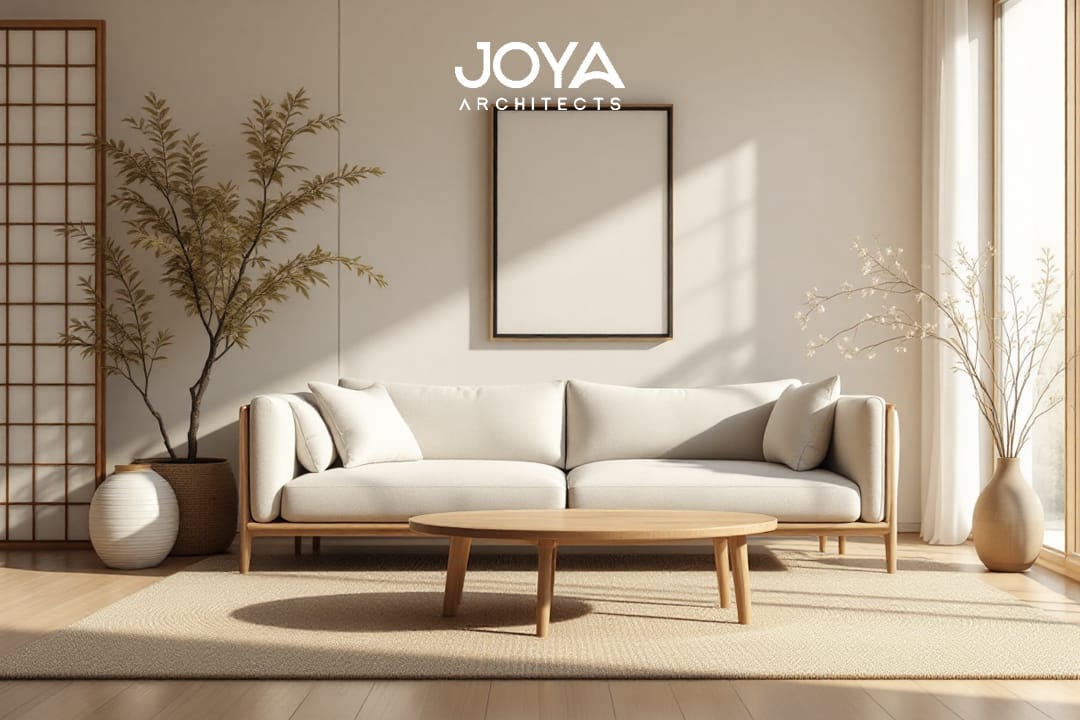
The name itself, a portmanteau of “Japanese” and “Scandi,” perfectly captures the style’s essence. It’s a hybrid that takes the best of both worlds to create something even more compelling. While they originate from opposite sides of the globe, these two design cultures share a deep appreciation for simplicity, natural elements, and comfort.
The Japanese Influence: Finding Beauty in Simplicity (Wabi-Sabi)
At the core of the Japanese aesthetic is wabi-sabi, a worldview centered on the acceptance of transience and imperfection. It’s the art of finding profound beauty in the authentic, the humble, and the incomplete. In interior design, this translates to:
- Appreciation for authenticity and craftsmanship: Valuing handmade items like ceramics or textiles where the artist’s touch is visible.
- Embracing natural aging: Seeing beauty in a wooden table that has developed a patina over time or a ceramic bowl with a slight crack.
- An uncluttered life: Focusing on a few high-quality, meaningful items rather than an abundance of mass-produced decor.
The Scandinavian Touch: Comfort and Coziness (Hygge)
From the Scandinavian side comes the concept of hygge (pronounced “hoo-gah”). More than just a word, hygge is a feeling of cozy contentment and well-being that comes from enjoying the simple things in life. This philosophy brings warmth and livability to the often-austere Japanese minimalism. This translates to:
- Focus on comfort: Incorporating soft, warm textiles like wool throws, linen cushions, and plush rugs.
- Creating an inviting atmosphere: Using soft lighting, candles, and a comfortable layout that encourages relaxation and connection.
- Livable functionality: Ensuring the home is not just beautiful to look at, but is also a practical and enjoyable space for daily life.
The Unexpected History of Japandi Design
While Japandi has surged in popularity recently, it’s not a fleeting trend. The style has deep historical roots that trace back over 150 years, born from a mutual admiration between two distinct cultures.
When Danish Designers Met Japan
The story begins in the 1850s when Japan, after 220 years of self-imposed isolation, reopened its borders to trade and travel. Danish designers, artists, and architects were among the first Westerners to visit, and they were captivated by the elegance, simplicity, and nature-focused principles of Japanese design. They brought back furniture, art, and a new way of thinking that began to influence their own work.
Why the Two Styles Blend So Perfectly
This creative fusion felt completely natural because both Japanese and Scandinavian design principles are built on a foundation of shared values. Both cultures hold a deep:
- Respect for craftsmanship: A preference for high-quality, handmade pieces built to last for generations.
- Love for natural materials: A shared reliance on wood, stone, paper, and natural fibers to create a connection to the outdoors.
- Focus on simplicity and function: A belief that every object should be both beautiful and purposeful, leading to clean lines and uncluttered spaces.
The 7 Key Elements of Japandi Interior Design
Ready to create the Japandi look? Mastering this style is about understanding its core building blocks. Here are the seven key elements that define Japandi interior design.
1. Minimalism and Functionality Above All
The guiding principle is “less is more.” In a Japandi home, every object must serve a purpose or be deeply loved. This intentional approach eliminates clutter and creates a serene environment.
- Clean Lines: Furniture and architectural details feature simple, clean lines without ornate decoration.
- Uncluttered Surfaces: Keep countertops, tables, and shelves free of non-essential items.
- Smart Storage: Invest in high-quality, integrated storage solutions that hide clutter and maintain a seamless look.
2. A Palette of Calm, Neutral Colors
The Japandi color palette is soothing and drawn from nature. It strikes a perfect balance between the cool tones of Scandinavian design and the warm, earthy tones of Japanese style.
- Base Colors: Use warm, earthy tones like beige, cream, oatmeal, and stone as your foundation.
- Cooler Hues: Layer in cooler Scandinavian hues like soft grays, muted blues, and pale greens.
- Dark Accents: To add contrast and depth, incorporate dark accents of charcoal, slate grey, or black. This is a key feature that distinguishes Japandi from purely minimalist or Scandi styles.
3. Natural and Sustainable Materials
Authenticity is key. Japandi design celebrates the raw, unrefined beauty of natural materials.
- Wood: A mix of light woods (oak, maple, ash) and dark woods (walnut, stained cedar) is essential.
- Other Materials: Bamboo, rattan, and paper (especially in lighting fixtures) add texture and an organic feel.
- Textiles: Choose natural fabrics like linen, cotton, wool, and jute for upholstery, curtains, and rugs to add warmth and softness.
4. The Celebration of Craftsmanship
Move away from a disposable mindset and embrace quality over quantity. Japandi interiors feature pieces that tell a story and are meant to be cherished for a lifetime.
- Handmade Decor: Look for unique, handmade ceramics, pottery, and glasswork that show signs of the human touch.
- Well-Built Furniture: Invest in solid wood furniture with excellent joinery that is both beautiful and durable. The principle of wabi-sabi encourages us to appreciate the slight imperfections found in these pieces.
5. Maximizing Natural Light and Open Space
Light and space are crucial for creating a feeling of calm and openness.
- Window Treatments: Opt for sheer, lightweight curtains in linen or cotton that diffuse light beautifully. Leaving windows bare is also a common choice.
- Negative Space (“Ma”): The Japanese concept of Ma refers to the importance of negative or empty space. By not filling every corner of a room, you allow the existing pieces to breathe and create a more tranquil atmosphere.
- Mirrors: Strategically place mirrors to reflect light and create an illusion of a larger, brighter space.
6. Bringing the Outdoors in with Greenery
Plants are a vital part of Japandi design, but the approach is curated and simple.
- Quality over Quantity: Instead of a dense urban jungle, opt for a single, elegant large-leaf plant (like a Fiddle Leaf Fig or Monstera) or a few carefully chosen smaller plants.
- Elegant Forms: Sparse, sculptural branches in a simple vase, a delicate bonsai tree, or a hanging kokedama are all excellent choices that reflect the style’s refined nature.
7. Low-Profile Furniture with Clean Lines
Japandi furniture is characterized by its simple forms and connection to the ground.
- Low-to-the-Ground: Low sofas, simple platform beds, and low-slung coffee tables help create a grounded, open feeling in a room.
- Simple Silhouettes: The furniture combines the straight, clean lines common in Japanese design with the soft, gentle curves of Scandinavian pieces.
Japandi vs Scandinavian vs Japanese: What’s the Difference?
While they are related, these three styles have distinct characteristics. Here’s a simple breakdown to help you tell them apart.
| Feature | Scandinavian | Japanese | Japandi |
|---|---|---|---|
| Color Palette | Predominantly white, light wood, and cool greys with pastel accents. | Richer, earthy tones like brown, beige, and green, often with stained dark woods. | A balanced mix of both—warm neutrals combined with cool hues and bold, dark accents (like black or charcoal) for contrast. |
| Furniture & Decor | Cozy, soft, and often rustic elements. Focus on comfort and hygge. | Sleek, refined, low-to-the-ground. Celebrates imperfection and wabi-sabi. | The perfect balance: comfortable and livable furniture that remains sleek and minimalist. Functional yet cozy. |
| Use of Materials | Light-colored woods (oak, ash, pine), wool, felt, and cozy textiles. | Darker woods (cedar, walnut), bamboo, rice paper screens, and silk. | A contrasting mix of light and dark woods, rattan, paper, and natural, cozy textiles like linen and wool. |
How to Get the Japandi Look: Ideas for Every Room
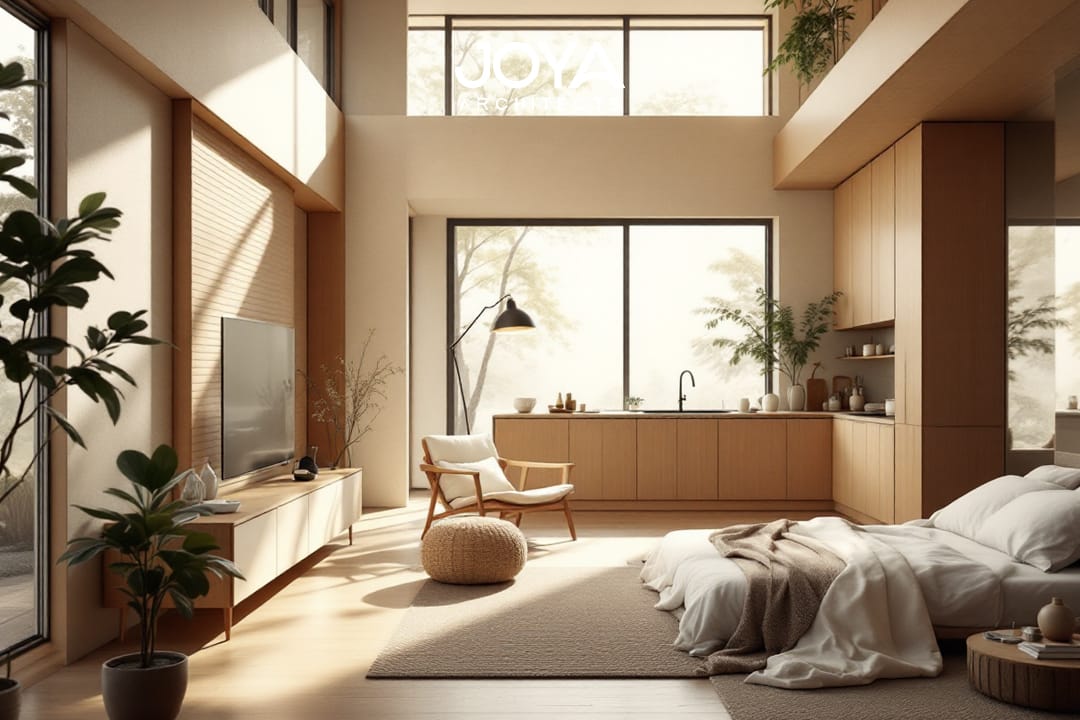
Bringing Japandi into your home is about making intentional choices. Here are actionable tips for key spaces.
Creating a Serene Japandi Living Room
- Furniture: Choose a low-profile sofa in a natural fabric like linen or cotton-blend. Pair it with a simple wooden coffee table with clean lines.
- Texture: Add warmth with a textured jute or wool rug and a few strategically placed cushions and throws in neutral tones.
- Lighting: Incorporate a statement paper lantern or a minimalist floor lamp to provide soft, diffused light that enhances the hygge feeling.
- Decor: Keep decor to a minimum. A single piece of abstract art, a few handmade ceramic vases, or a simple plant is all you need.
Designing a Restful Japandi Bedroom
- The Bed: Opt for a simple, low platform bed frame in a light oak or a richer walnut. This creates a grounded focal point.
- Bedding: Use high-quality natural bedding, such as linen or organic cotton, in calming, neutral colors like oatmeal, soft grey, or white.
- Storage: Keep nightstands minimal and clear of clutter. Consider built-in wardrobes to maintain clean lines and hide belongings.
- Ambiance: Use sheer curtains to allow soft morning light to filter in. Avoid overhead lighting in favor of soft bedside lamps.
A Mindful Japandi Dining Room & Kitchen
- Dining Set: Select a simple, high-quality wooden dining table and pair it with sleek, functional chairs that mix straight and curved lines.
- Tableware: Embrace wabi-sabi by using handmade ceramic plates and bowls. Their subtle imperfections add character and soul to your meals.
- Kitchen Cabinetry: In the kitchen, focus on natural wood or matte neutral cabinetry. Prioritize hidden storage and integrated appliances to keep the look clean and uncluttered.
- Functionality: Ensure the layout is highly functional, with clear zones for cooking, cleaning, and storage.
Japandi on a Budget: 3 Simple Tips
You don’t need a massive budget to achieve this serene style. The philosophy itself is about being intentional, not extravagant.
1. Declutter Before You Decorate
The single most impactful step in achieving the Japandi look is completely free: decluttering. This style is defined by what isn’t there. Go through your belongings and remove anything that doesn’t serve a purpose or bring you joy. A clean, open space is the best canvas.
2. Focus on Affordable Textiles
You can instantly transform the feel of a room by changing the textiles. Swap out synthetic cushions and throws for affordable covers made of linen, cotton, or wool in neutral tones. A simple jute rug can add immense texture and warmth to a space without a high price tag.
3. Shop Secondhand for Quality Pieces
Japandi celebrates pieces with history and character. Look for vintage or secondhand wooden furniture—side tables, chairs, or consoles—that have clean lines. You can often find high-quality, solid wood items for a fraction of the price of new ones. Similarly, thrift stores are a great place to find unique, handmade pottery and ceramics.
Common Japandi Mistakes to Avoid
As you implement this style, watch out for a few common pitfalls.
Making It Too Cold or Sterile
- The Mistake: Focusing so much on minimalism that the space feels empty and unwelcoming.
- The Solution: Always layer in texture. A plush rug, nubby wool pillows, linen curtains, and a few healthy plants are essential for bringing in the hygge element and making the space feel like a home.
Using Too Many Statement Pieces
- The Mistake: Trying to make every item a focal point, which creates visual competition and chaos.
- The Solution: Be selective. Stick to one or two high-quality focal points per room—like a beautifully crafted armchair or a unique light fixture—and let them breathe. The surrounding simplicity will make them stand out even more.
Forgetting About Contrast
- The Mistake: Using only light, neutral colors, which can make a room feel flat and one-dimensional.
- The Solution: Contrast is crucial in Japandi design. Incorporate small but deliberate black or dark charcoal accents. This could be through picture frames, a vase, the legs of a chair, or a piece of hardware. These dark elements help ground the neutral palette and add sophisticated depth.
More Than a Style, A Philosophy
Ultimately, Japandi is more than just an interior design trend; it’s a philosophy focused on creating a calm, functional, and beautiful living environment that supports a more intentional way of life. By blending the timeless elegance of Japanese design with the rustic comfort of Scandinavian style, you can create a home that is a true sanctuary. Remember the key takeaways: focus on natural materials, embrace simplicity, and never forget the importance of warmth and comfort.
Ready to create your own peaceful retreat? The experts at JOYA Architects specialize in crafting bespoke landed homes in Singapore that embody tranquility and function. We can help you bring your Japandi-inspired vision to life with architectural precision and thoughtful design. Contact us for a complimentary consultation via WhatsApp at +65 9192 0393 or schedule your discussion on our website today.