
Have you ever scrolled through your social media feed and paused on a room that just felt… right? A space bathed in light, elegantly simple, and completely uncluttered, yet radiating an undeniable sense of warmth and comfort. It feels modern but timeless, minimalist but incredibly inviting. If this serene aesthetic has caught your eye, you’ve likely been admiring the enduring appeal of Scandinavian interior design.
You’re in the right place. This comprehensive guide will break down exactly what Scandinavian interior design is, exploring its core philosophies, defining its key elements, and showing you how to easily incorporate this simple, functional, and cozy style into your own home.
The Philosophy Behind Scandinavian Design: More Than Just an Aesthetic
Scandinavian design is more than just white walls and simple furniture; it’s a philosophy deeply rooted in the Nordic way of life. It reflects a desire for a simple, functional, and beautiful existence, shaped by the region’s climate and social values.
Understanding Hygge and Lagom
Two key concepts are central to the Scandinavian soul:
- Hygge (Danish): This is the celebrated Danish concept of coziness, contentment, and well-being. It’s not something you buy, but a feeling you create. In design, hygge translates to creating a comfortable and secure atmosphere. Think of the soft glow of candles, the warmth of a wool blanket, and the simple joy of sharing a coffee with friends in a space that feels like a warm hug.
- Lagom (Swedish): This Swedish principle means “not too little, not too much—just the right amount.” Lagom is about finding balance and moderation. In interiors, this manifests as a curated minimalism. Instead of filling a home with things, you focus on essential, high-quality, and well-loved items that serve a purpose and bring you joy.
Functionality Meets Beauty
A core tenet of Scandinavian design is the democratic belief that everyday objects should be beautiful, durable, and practical for everyone, not just the wealthy. This movement, which gained momentum in the post-war era, focused on creating well-designed products that enhance daily life. Every piece of furniture or decor should have a purpose, blending form and function seamlessly.
A Deep Connection to Nature
With long, dark winters and a profound love for the outdoors, it’s no surprise that a deep connection to nature is fundamental to Scandinavian design. The style was born from a desire to make homes bright and airy to combat the limited daylight. This is achieved through:
- An emphasis on maximizing natural light.
- The extensive use of natural materials like wood and stone.
- Bringing the outdoors in with abundant greenery.
The 7 Core Elements of Scandinavian Interior Design
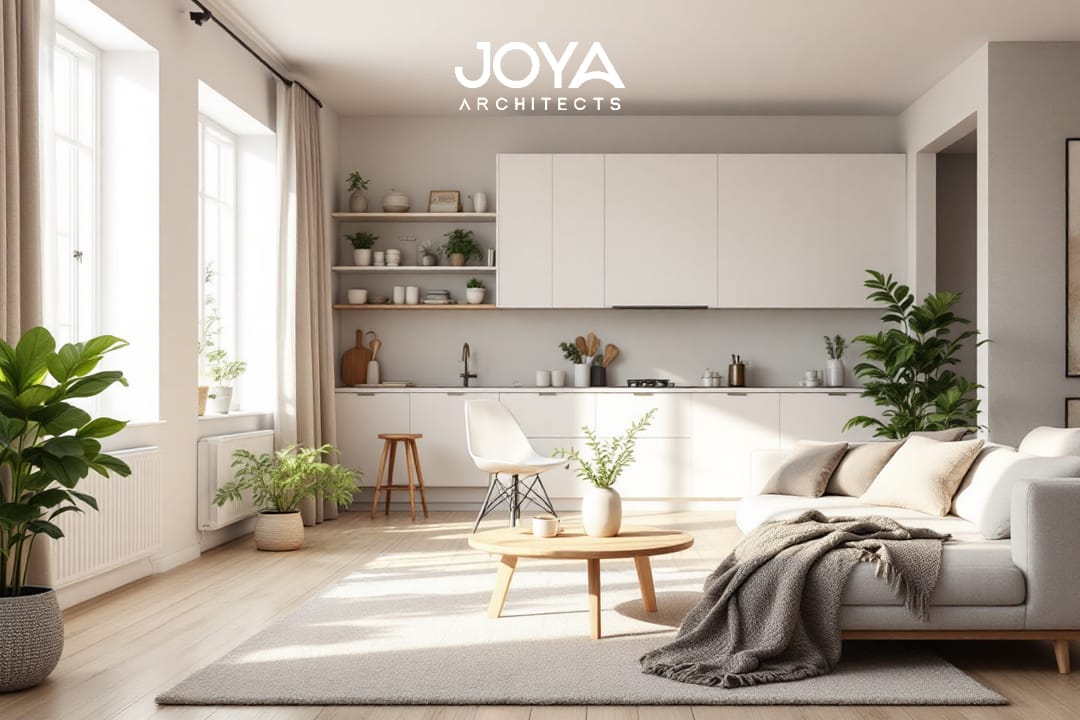
To truly understand what Scandinavian interior design is, you need to know its essential building blocks. Here are the seven core elements that define the style.
1. A Light and Neutral Color Palette
The foundation of any Scandinavian space is its color scheme, which is designed to create a bright, clean, and calming environment.
- Primary Colors: The palette is dominated by whites, off-whites, creams, and various shades of gray and light tan.
- Why It’s Used: These colors act as a blank canvas, reflecting and maximizing natural light to make spaces feel larger and more open—a direct response to the long Nordic winters.
- Accent Colors: To prevent a sterile feel, subtle, muted colors are introduced as accents. Think of dusty blues, sage greens, soft pinks, and warm earthy tones. Black is often used in small doses for graphic contrast in light fixtures or picture frames.
2. Maximizing Natural Light
Light is the most precious commodity in Scandinavian design. Every architectural and decorating choice is made to enhance its presence.
- Large Windows: Homes often feature large, unadorned windows to let in as much daylight as possible.
- Minimal Window Treatments: Heavy drapery is avoided. Instead, you’ll find sheer or translucent curtains made of linen or cotton that diffuse light beautifully. Often, windows are left completely bare.
- Strategic Use of Mirrors: Mirrors are placed opposite windows to reflect light and create an illusion of greater space and brightness.
3. Natural Materials and Textures
Bringing the outside in is key. The use of natural materials adds warmth and texture, balancing the cool, neutral color palette.
- Woods: Light-colored woods are fundamental. Pine, ash, beech, and light oak are used extensively for flooring, furniture, and cabinetry. The wood is often left in its natural state or with a light, matte finish.
- Textiles: To create a sense of hygge, natural textiles are essential. Swap synthetic fabrics for warm wool, soft cotton, breathable linen, and cozy sheepskin.
- Other Materials: Accents of leather (like a classic armchair), stone (a marble countertop), and handmade ceramics add layers of authentic, organic texture.
4. Clean Lines and Simple Furniture
Scandinavian furniture is renowned for its elegant simplicity and exceptional craftsmanship.
- Style: Furniture features sleek, minimalist silhouettes, organic curves, and tapered legs. There is a complete absence of intricate carvings or excessive ornamentation.
- Functionality: Pieces are often multi-functional to save space and reduce clutter. The focus is on quality craftsmanship that ensures longevity, embodying the lagom principle of buying fewer, better things.
5. Clutter-Free and Organized Spaces
The “less is more” approach is at the heart of the Scandinavian aesthetic. A calm mind requires a calm, uncluttered environment.
- Mindful Curation: Only essential or deeply cherished items are displayed. Every object has room to breathe.
- Smart Storage: Functional, integrated storage is crucial for keeping surfaces clear. Think of wall-mounted shelves, simple cabinetry with clean hardware, and multi-purpose furniture that hides clutter away.
6. Cozy and Layered Textiles
This is how Scandinavian design achieves its signature warmth and avoids feeling cold or stark. Textiles are layered to add texture, comfort, and a touch of hygge.
- How to Add Warmth: Drape a chunky knit blanket over a sofa, place a faux fur or sheepskin throw on an armchair, lay down a plush area rug over wooden floors, and arrange a mix of linen and wool cushions.
7. Bringing Nature Indoors with Greenery
To complete the connection with the outdoors, plants are a must-have accessory.
- Role of Greenery: Houseplants and simple arrangements of fresh flowers or branches add a vital pop of natural color and life to the neutral palette. They purify the air and bring a sense of organic vitality into the home.
A Brief History: The Origins of Scandinavian Style
The clean, functional aesthetic we admire today has a rich history that began in the Nordic countries of Denmark, Sweden, Norway, Finland, and Iceland.
Emergence in the Early 20th Century
The roots of Scandinavian modernism appeared in the early 20th century, influenced by movements like the German Bauhaus school. The core idea of “form follows function”—that an object’s design should be primarily based on its purpose—was readily adopted and adapted by Nordic designers.
The Golden Age of Scandinavian Design (1950s)
The style truly flourished and gained international fame in the 1950s. This “golden age” was driven by a post-war democratic design movement aimed at creating affordable, well-made, and beautiful furnishings for the general population. The style’s global popularity was cemented by the “Design in Scandinavia” exhibition, which toured the United States and Canada from 1954 to 1957, showcasing the region’s innovative and human-centered approach.
Iconic Designers Who Shaped the Movement
A few key figures were instrumental in defining the Scandinavian look. Their designs are classics that still inspire today:
- Alvar Aalto (Finland): A master of bending wood, he created fluid, organic forms, as seen in his famous Paimio Chair.
- Arne Jacobsen (Denmark): An architect and designer who created iconic, sculptural pieces like the Egg Chair and the Swan Chair.
- Hans Wegner (Denmark): A prolific furniture designer who created over 500 chairs, including the world-renowned “Wishbone Chair,” which perfectly balances elegance and simplicity.
How to Decorate in a Scandinavian Style (Room by Room)
Bringing the Scandinavian look into your home is achievable. Here are some practical tips for key spaces.
The Scandinavian Living Room
- Focus: Start with a comfortable sofa in a neutral fabric like light gray or beige. Add a simple wood coffee table, often with tapered legs.
- Texture & Light: Layer a wool area rug over your wood floors. Incorporate varied lighting with a sleek floor lamp and a ceramic table lamp.
- Finishing Touches: Add cozy cushions, a knit throw, and a single, elegant piece of art on the wall.
The Scandinavian Bedroom
- Focus: Create a serene sanctuary with a simple wooden bed frame or a light-colored upholstered one.
- Textiles: Dress the bed in high-quality natural linen bedding in white, beige, or a muted earth tone.
- Simplicity: Keep decor to a minimum. Use a pair of simple nightstands, soft, diffused lighting, and perhaps a single potted plant on a windowsill.
The Scandinavian Kitchen and Dining Area
- Focus: Opt for light wood or simple white cabinetry with minimalist hardware. Countertops are often white, gray, or a light wood butcher block.
- Dining: Center the space around a simple wooden dining table paired with iconic chairs, like replicas of the Wishbone Chair.
- Lighting: Hang a classic, sculptural pendant light low over the dining table to create an intimate atmosphere.
Scandinavian vs Minimalism vs Mid-Century Modern: What’s the Difference?
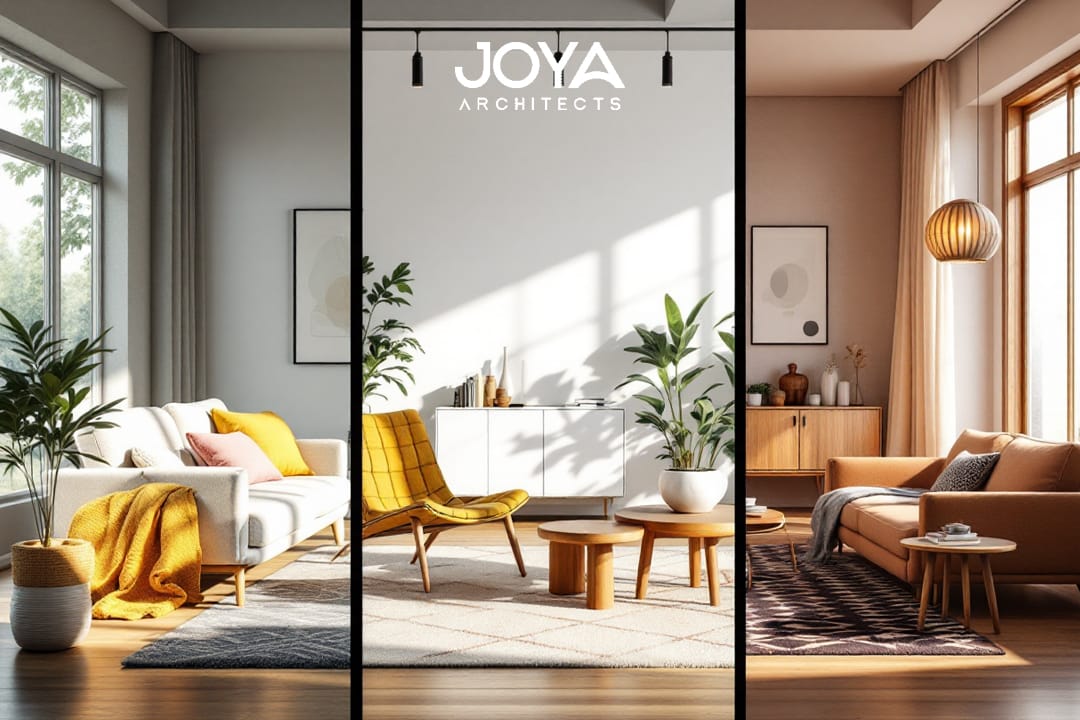
These three styles are often confused, but they have distinct differences.
Scandinavian vs Minimalism
While both prioritize simplicity and uncluttered spaces, the key difference is warmth.
- Minimalism: Focuses purely on stripping things down to their bare essentials, which can sometimes feel stark or cold.
- Scandinavian Design: Takes that minimalist base and adds layers of warmth and coziness (hygge) through soft, natural textiles, wood tones, and organic textures.
Scandinavian vs Mid-Century Modern (MCM)
There is significant overlap, as Scandinavian design had its golden age during the mid-century period. However, the palettes differ.
- Mid-Century Modern: Often uses darker woods like teak and walnut and incorporates a bolder, more saturated color palette with oranges, yellows, and olive greens.
- Scandinavian Design: Almost exclusively uses light woods like beech and ash and sticks to a much lighter, more neutral, and muted color scheme.
Get the Scandinavian Look on a Budget
You don’t need a massive budget to embrace this timeless style.
Declutter and Simplify First
This is the most important step, and it’s completely free. Before buying anything, go through your belongings and remove anything that isn’t functional, beautiful, or meaningful. A clean slate is the perfect starting point.
Focus on Paint and Textiles
A fresh coat of white or light gray paint can instantly transform a room. Then, invest in one or two high-impact textiles. A quality wool throw or a set of linen cushion covers can immediately introduce that signature Scandinavian coziness.
Shop Second-Hand and DIY
Look for simple, clean-lined wooden furniture at thrift stores. A piece with good bones can easily be sanded down and refinished with a light-stain or matte varnish. And don’t forget brands like IKEA, which have masterfully democratized the Scandinavian style, making it accessible to everyone.
Conclusion
So, what is Scandinavian interior design? It’s a timeless design philosophy that proves simplicity doesn’t have to be cold. By balancing minimalism with warmth, prioritizing function and craftsmanship, and fostering a deep connection to natural light and materials, it creates homes that are not only beautiful but also deeply comforting and livable.
It’s an attainable and enduring style that can turn any home into a serene and inviting sanctuary.
Feeling inspired? Start your Scandinavian transformation today by choosing one room to declutter and adding a cozy, natural textile. Ready to bring the principles of Scandinavian design—simplicity, functionality, and enduring style—to your landed home? Contact JOYA Architects today to discuss how we can create a serene and timeless space crafted just for you.